
E. Vauclair SA
2504 Biel/Bienne · about 9.4 km
Operating in Biel/Bienne since 1948, E. Vauclair SA provides plumbing, heating and solar installations, architectural sheet metalwork, roofing and flat roof renovation.
vauclair.chSolar water heating · Lyss
At a glance
Small project
CHF 9'400 – CHF 21'900
Typical project
CHF 12'100 – CHF 28'000
Large project
CHF 16'500 – CHF 38'000
| Project | Quantity | Low | High | Per unit |
|---|---|---|---|---|
| Small project | 3 m² | CHF 9'400 | CHF 21'900 | CHF 5'100 |
| Typical project | 6 m² | CHF 12'100 | CHF 28'000 | CHF 3'200 |
| Large project | 11 m² | CHF 16'500 | CHF 38'000 | CHF 2'400 |
Computed with our estimator for Lyss (regional factor included), standard finish. Only the project size changes.
Included
Not included
In Lyss, the federal building register lists 2'556 residential buildings and 7'998 dwellings. These municipal benchmarks help put your home in context, but do not replace an individual assessment.
47 % built before 1980
Construction year does not reveal past renovations: check the current insulation condition.
38 % · Heating oil
This distribution describes recorded buildings, not your system's consumption or efficiency.
| Energy | Heating | Hot water |
|---|---|---|
| Gas | 21 % | 18.6 % |
| Heating oil | 38 % | 30.4 % |
| District heating | 5 % | 3.9 % |
| Heat pump | 26 % | 9.4 % |
| Electricity | 4 % | 31.6 % |
| Wood | 6 % | 4 % |
| Solar thermal | 0 % | 1.7 % |
Each line gives the share of buildings using that energy, separately for heating and for hot water. The two columns do not always reach 100%: some buildings combine two systems, or reported none.
A standard non-condensing boiler is usually older and less efficient.
8.5 % of buildings mix housing with shops or offices.
For your renovation planning in Lyss, the RegBL figures provide useful benchmarks, even though the data coverage remains partial. With a median building volume of 707 cubic meters based on the SIA 416 standard, you can better estimate the scale of necessary heating or insulation work, though this applies only to a measured subset of properties. Since there are no recorded data points regarding renovation years or heritage protection status for the municipality, you should contact local authorities early to verify specific permit requirements. Proactive coordination with your municipality ensures that any applicable building regulations are factored into your renovation budget.
Source : OFS — RegBL (export communal complet). Existing residential buildings; percentages of recorded values.
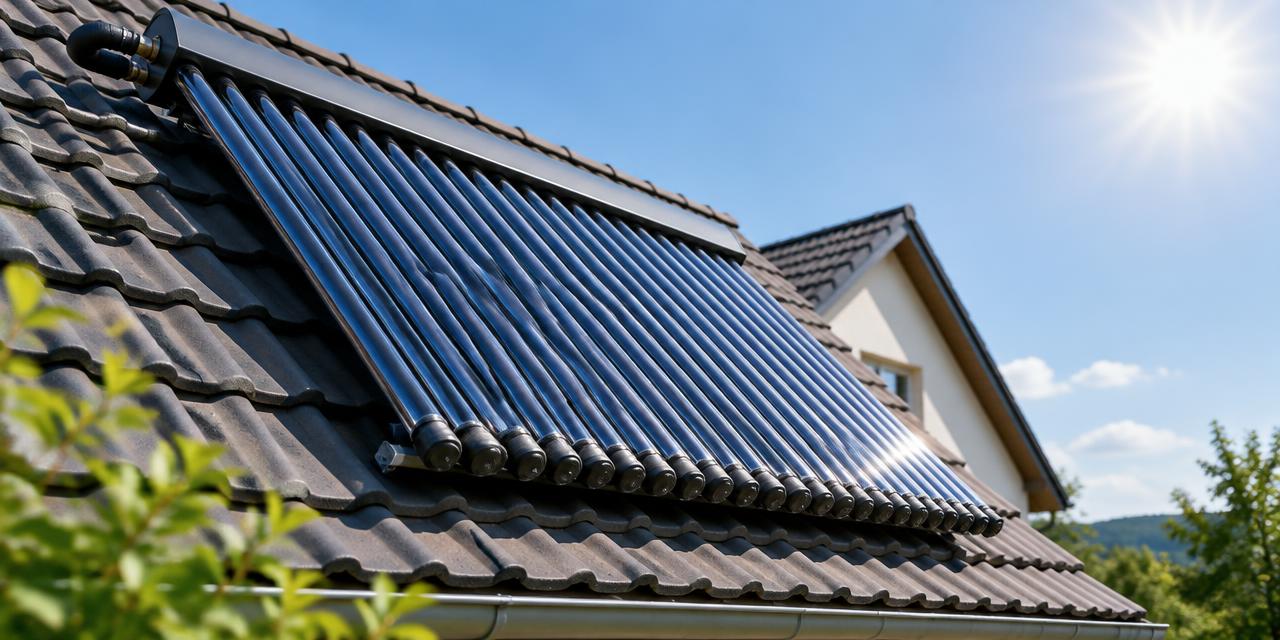
Solar thermal converts solar radiation into heat. Solar thermal collectors usually cover much of summer hot water, which significantly reduces the use of your main boiler during sunny months.
To ensure optimal performance, it is crucial to evaluate the orientation and slope of your roof. In Switzerland, solar installations have become a mature and reliable technology, perfectly suited to complement an existing system.
A correctly sized installation helps extend the lifespan of your other heating systems by relieving them during the summer period.
A successful installation does not depend solely on the collectors. Combining collectors with a heat pump needs a sizing study to ensure compatibility between the two systems. A poor configuration can lead to significant efficiency losses.
It is recommended to hire a qualified professional to carry out a thermal feasibility study for your building in Lyss.
They will be able to analyze your actual hot water needs and optimize the coupling with your current installation, thus ensuring sustainable performance throughout the year.
In the canton of Bern, it is essential to consult the current cantonal guidelines before starting work to find out about available grants. Remember that energy efficiency measures often benefit from attractive tax deductions.
Check with the relevant authorities or your renovation advisor to identify all the funding options available to you.
Before starting your work in Lyss, clearly define your goals. Do you want to only produce hot water or also support your heating system? Once your needs are identified, request several quotes to compare offers.
Always check the certification of the installers and ensure they are familiar with the local specifics of the canton of Bern. Don't forget that RenoIndex offers you the possibility to receive a cost estimate adapted to your situation.
By planning carefully, you will maximize the return on your installation while managing your total budget.
1. Estimate
Set a budget range with the estimator.
2. Grants
Apply before work starts.
3. Quotes
Compare at least 3 quotes.
4. Permit
Check with the municipality whether a permit is needed.
5. Works
Follow the site and do a written handover.
No specific grant listed for this work. Maintenance tax deductions may still apply.
2504 Biel/Bienne · about 9.4 km
Operating in Biel/Bienne since 1948, E. Vauclair SA provides plumbing, heating and solar installations, architectural sheet metalwork, roofing and flat roof renovation.
vauclair.ch2606 Corgémont · about 18.5 km
Renfer Sàrl is a company active in the fields of plumbing, heating, tinsmithing, and kitchen and bathroom renovations in the Jura region.
renfersa.ch2732 Reconvilier · about 19.6 km
Anotta SA in Reconvilier installs and renovates plumbing and heating systems, including heat pumps and solar thermal systems, with a seven-day-a-week breakdown service for its customers.
anotta.ch2740 Moutier · about 22.7 km
Company in Moutier specializing in plumbing, heating (oil, wood, heat pumps), and solar thermal and photovoltaic solutions.
bmonnerat.chSuggestions from the commercial register by distance and activity. Not an endorsement or partnership.
Yes, solar collectors work even in cloudy weather thanks to diffuse radiation. Although production is highest in summer, the installation also contributes to preheating water in winter, thus reducing the load on your main heating system, even during the coldest days.
The area depends on your hot water needs and the type of collectors used. Generally, a few square meters are sufficient for a standard household. A professional study allows for the precise sizing of the installation based on your roof orientation and annual consumption.
It is essential to check local regulations. In the canton of Bern, some solar installations require prior notification or a building permit depending on their visibility and zone. Contact your municipality's planning department to obtain precise information.
To get a realistic price range for your solar thermal project, simply use the RenoIndex tool. This free estimator helps you plan your budget based on the specificities of your renovation, offering you a clear basis to compare quotes from local professionals.