
F. Imeri Sàrl
2829 Vermes · about 26 km
The website presented under the name Imeri Chauffage et Sanitaire Sàrl offers plumbing, heating and solar thermal work, while F. Imeri Sàrl’s registered purpose refers to a scrap metal business.
imeri-sarl.chSolar water heating · Langenthal
At a glance
Small project
CHF 9'600 – CHF 22'600
Typical project
CHF 12'400 – CHF 28'800
Large project
CHF 17'000 – CHF 39'100
| Project | Quantity | Low | High | Per unit |
|---|---|---|---|---|
| Small project | 3 m² | CHF 9'600 | CHF 22'600 | CHF 5'200 |
| Typical project | 6 m² | CHF 12'400 | CHF 28'800 | CHF 3'300 |
| Large project | 11 m² | CHF 17'000 | CHF 39'100 | CHF 2'500 |
Computed with our estimator for Langenthal (regional factor included), standard finish. Only the project size changes.
Included
Not included
In Langenthal, the federal building register lists 3'011 residential buildings and 8'072 dwellings. These municipal benchmarks help put your home in context, but do not replace an individual assessment.
69 % built before 1980
Construction year does not reveal past renovations: check the current insulation condition.
51 % · Gas
This distribution describes recorded buildings, not your system's consumption or efficiency.
| Energy | Heating | Hot water |
|---|---|---|
| Gas | 51 % | 45.4 % |
| Heating oil | 18 % | 14.3 % |
| District heating | 1 % | 0.6 % |
| Heat pump | 21 % | 12.8 % |
| Electricity | 2 % | 21 % |
| Wood | 7 % | 2.8 % |
| Solar thermal | 0 % | 1 % |
Each line gives the share of buildings using that energy, separately for heating and for hot water. The two columns do not always reach 100%: some buildings combine two systems, or reported none.
A standard non-condensing boiler is usually older and less efficient.
12 % of buildings mix housing with shops or offices.
For renovation planning in Langenthal, official building register figures provide essential insights. With 8 buildings classified under heritage protection out of 223 known, early consultation with local authorities is vital regarding permit requirements. Regarding building volume, the median is 877 m3 based on the SIA 416 standard; however, this reflects only 37 houses out of 1904, indicating partial data coverage. Understanding these metrics helps homeowners accurately scope insulation and heating upgrades. Use these indicators as a foundation for your renovation strategy, while noting that official heritage status dictates the specific constraints applied to your property improvements.
Source : OFS — RegBL (export communal complet). Existing residential buildings; percentages of recorded values.
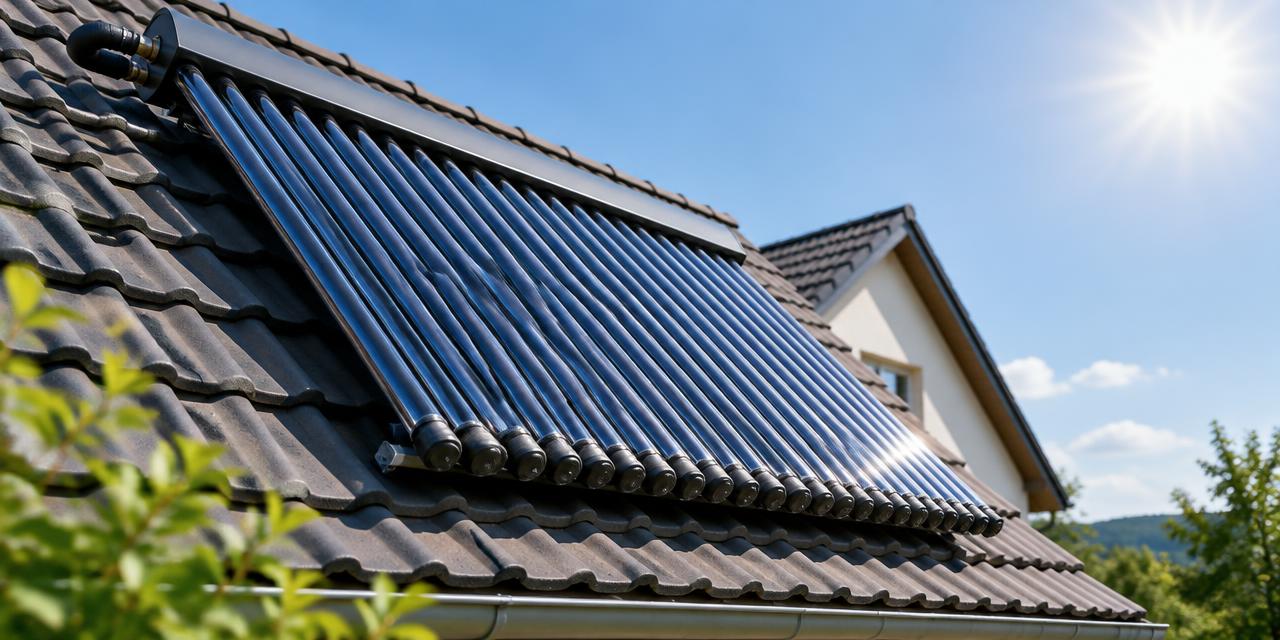
Solar thermal collectors capture radiation to heat a heat transfer fluid. This system is highly effective at covering a large portion of hot water needs during the summer months. By harvesting free energy from the sun, you reduce the load on your main boiler.
Although sunshine levels vary, this technology remains a reliable solution for improving the energy performance of residential buildings in Switzerland.
A system properly sized by a professional guarantees optimal efficiency throughout the year, even during days with partial cloud cover.
If you already own a heat pump, combining solar thermal collectors with your existing equipment requires a rigorous sizing study.
This hybrid approach maximizes self-consumption and extends the lifespan of your heat pump by reducing its operation in domestic hot water mode. It is crucial to harmonize storage capacities and heat flows to avoid energy losses.
Careful planning with a local expert ensures that every component communicates perfectly to provide efficient overall energy management for your home, securing the best possible return on your investment.
Generally in Switzerland, several cantons subsidise thermal collectors either per square meter or per installation to lower the initial cost of the work.
It is advisable to check current programs before starting your project to maximize your chances of obtaining aid. Use the RenoIndex website to get an overview of costs and better anticipate your total budget after accounting for potential grants.
Installing solar thermal panels follows a standard process. The first step is to evaluate your roof's orientation and tilt to maximize sunlight exposure. Next, an analysis of your actual hot water needs allows for correct system sizing.
Once the choice of collectors is validated, contact qualified installers to obtain comparative quotes. Do not forget local administrative procedures before installation begins.
By using RenoIndex, you obtain a reliable estimate of the necessary budget, which helps you calmly compare offers received from specialized companies.
1. Estimate
Set a budget range with the estimator.
2. Grants
Apply before work starts.
3. Quotes
Compare at least 3 quotes.
4. Permit
Check with the municipality whether a permit is needed.
5. Works
Follow the site and do a written handover.
No specific grant listed for this work. Maintenance tax deductions may still apply.
2829 Vermes · about 26 km
The website presented under the name Imeri Chauffage et Sanitaire Sàrl offers plumbing, heating and solar thermal work, while F. Imeri Sàrl’s registered purpose refers to a scrap metal business.
imeri-sarl.ch2832 Rebeuvelier · about 30.7 km
Eco6therm specializes in the installation of heating systems, particularly heat pumps, and solar photovoltaic energy solutions.
eco6therm.ch2824 Vicques · about 31.6 km
Buchwalder Sàrl in Vicques has specialized in the installation, repair, and renovation of heating and sanitary systems since 1966.
buchwalder-sarl.ch2824 Vicques · about 31.6 km
Specialist since 1968 in sanitary installations, heating (gas, oil, wood, renewable energy), and tinsmithing with 24/7 emergency repair service.
sanit.chSuggestions from the commercial register by distance and activity. Not an endorsement or partnership.
Yes, but the yield varies. Collectors capture radiation even in winter, although output is lower. They mainly cover a large part of hot water needs in summer, supplemented by your main heating system during the rest of the year.
Absolutely. This combination is even recommended to increase energy efficiency. However, a sizing study is necessary to ensure the correct interaction between the two systems and optimize the domestic hot water production of your building.
To get a price range tailored to your project, you can use the free RenoIndex simulator. This tool provides an estimate in Swiss francs based on the specifics of your renovation, helping you plan your budget accordingly.
Yes, many cantons subsidise thermal collectors, either per square meter or per installation. We recommend checking the official programs of the canton of Bern to learn about amounts and eligibility conditions before you start.