
Eco6therm Sàrl
2832 Rebeuvelier · about 92.7 km
Eco6therm specializes in the installation of heating systems, particularly heat pumps, and solar photovoltaic energy solutions.
eco6therm.chHome solar battery · Meilen
At a glance
Small project
CHF 4'400 – CHF 10'200
Typical project
CHF 8'100 – CHF 17'200
Large project
CHF 13'900 – CHF 28'500
| Project | Quantity | Low | High | Per unit |
|---|---|---|---|---|
| Small project | 5 kWh | CHF 4'400 | CHF 10'200 | CHF 1'400 |
| Typical project | 10 kWh | CHF 8'100 | CHF 17'200 | CHF 1'200 |
| Large project | 18 kWh | CHF 13'900 | CHF 28'500 | CHF 1'100 |
Computed with our estimator for Meilen (regional factor included), standard finish. Only the project size changes.
Included
Not included
In Meilen, the federal building register lists 2'372 residential buildings and 7'178 dwellings. These municipal benchmarks help put your home in context, but do not replace an individual assessment.
59 % built before 1980
Construction year does not reveal past renovations: check the current insulation condition.
34 % · Heating oil
This distribution describes recorded buildings, not your system's consumption or efficiency.
| Energy | Heating | Hot water |
|---|---|---|
| Gas | 26 % | 28.4 % |
| Heating oil | 34 % | 32.7 % |
| District heating | 3 % | 3.5 % |
| Heat pump | 29 % | 8.2 % |
| Electricity | 5 % | 22 % |
| Wood | 4 % | 1.4 % |
| Solar thermal | 0 % | 2.5 % |
Each line gives the share of buildings using that energy, separately for heating and for hot water. The two columns do not always reach 100%: some buildings combine two systems, or reported none.
A standard non-condensing boiler is usually older and less efficient.
10.6 % of buildings mix housing with shops or offices.
For renovation planning in Meilen, official building register figures indicate a median house volume of 410 cubic meters based on the SIA 416 standard. Note that this measurement covers only 9 out of 1263 buildings, meaning data coverage is highly partial for your assessment. Since information regarding the year of last renovation and heritage protection status is not available in the provided registry records, we strongly advise contacting the local municipality directly. This ensures you are fully aware of any hidden permit requirements or heritage restrictions that could significantly impact the scope and budget of your renovation.
Source : OFS — RegBL (export communal complet). Existing residential buildings; percentages of recorded values.
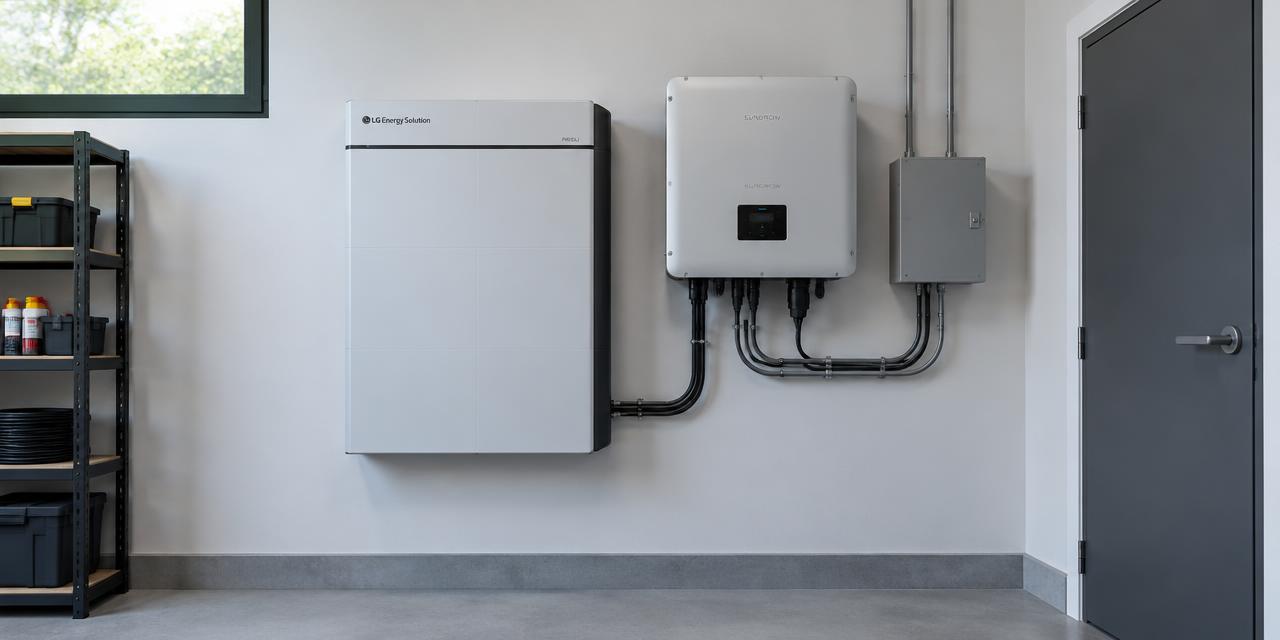
A battery is worthwhile when solar output clearly exceeds your daytime use. By storing the energy generated while the sun is shining, you can utilize it in the evening or early morning. This maximizes your self-consumption rate.
By avoiding feeding surplus power into the public grid, where buy-back rates are often lower than electricity purchase prices, you achieve significant long-term savings while becoming more independent from local power utility providers.
The golden rule is to size capacity by evening consumption, not panel power. It is useless to aim for excessive storage capacity if your household does not use enough electricity after sunset. Analyze your annual bills to identify real needs.
A professional can help avoid oversizing, reducing initial investment costs. The goal is to reach a balance between energy comfort and fast economic profitability for your home in Meilen.
Check compatibility with your existing inverter before buying. Some systems are AC-coupled and fit better with existing solar installations, while others are DC-coupled and are more efficient in new builds.
A technical assessment ensures the energy management system communicates correctly with the inverter. To avoid technical surprises, consult a qualified installer who can check your current setup's specifics and guarantee optimal performance.
Although there is no specific grant listed at the municipal level for Meilen, check incentive programs at the canton of ZH level. Tax incentives may vary, and deducting investment costs from your taxable income is often possible.
Regularly check official cantonal websites or use the RenoIndex calculator for an overview of the required budget.
1. Estimate
Set a budget range with the estimator.
2. Grants
Apply before work starts.
3. Quotes
Compare at least 3 quotes.
4. Permit
Check with the municipality whether a permit is needed.
5. Works
Follow the site and do a written handover.
No specific grant listed for this work. Maintenance tax deductions may still apply.
2832 Rebeuvelier · about 92.7 km
Eco6therm specializes in the installation of heating systems, particularly heat pumps, and solar photovoltaic energy solutions.
eco6therm.ch2735 Malleray · about 102.9 km
Company specialized in electrical installations and telecommunications systems, including network infrastructure and related trade.
telecrengglisa.ch2605 Sonceboz-Sombeval · about 111.1 km
Solar conseil Sàrl specializes in the installation of photovoltaic power plants, energy storage solutions, and energy efficiency consulting in the Jura and Bernese Jura regions.
solarconseil.ch2718 Lajoux JU · about 113.4 km
Jura-based specialist in photovoltaic panel installation and energy storage solutions with AI-driven optimization.
hypersolaire.chSuggestions from the commercial register by distance and activity. Not an endorsement or partnership.
Generally, storage systems installed indoors do not require a building permit. However, you must always ensure the installation meets the fire safety standards in force in the canton of ZH. It is advisable to inform your installer who will manage the technical and reporting aspects.
Most modern lithium-ion batteries have a lifespan of between 15 and 20 years. Performance may decrease slightly over time, depending on the number of charge and discharge cycles performed. Regular maintenance by a professional helps to optimize this longevity.
Yes, it is entirely possible to add a battery to an existing photovoltaic installation. You will need to choose an AC-coupled storage system, designed specifically to be integrated into installations already in service. Check technical compatibility with your current inverter with an expert.
The size will depend on your nocturnal electricity consumption. By calculating the difference between your daytime production and your evening usage, you will determine the ideal capacity in kWh. RenoIndex helps you estimate costs based on the model chosen for your home.