
Cirésin'Art - Pimenta de Oliveira
2000 Neuchâtel · about 0 km
Neuchâtel-based company specializing in surface preparation and the application of waxed concrete, epoxy resin, and vinyl for floors, walls, and furniture.
ciresin-art.chNew flooring · Neuchâtel
At a glance
Small project
CHF 3'100 – CHF 7'800
Typical project
CHF 5'800 – CHF 13'700
Large project
CHF 9'800 – CHF 22'700
| Project | Quantity | Low | High | Per unit |
|---|---|---|---|---|
| Small project | 25 m² | CHF 3'100 | CHF 7'800 | CHF 200 |
| Typical project | 50 m² | CHF 5'800 | CHF 13'700 | CHF 200 |
| Large project | 88 m² | CHF 9'800 | CHF 22'700 | CHF 200 |
Computed with our estimator for Neuchâtel (regional factor included), standard finish. Only the project size changes.
Included
Not included
In Neuchâtel, the federal building register lists 5'655 residential buildings and 26'308 dwellings. These municipal benchmarks help put your home in context, but do not replace an individual assessment.
80 % built before 1980
Construction year does not reveal past renovations: check the current insulation condition.
45 % · Gas
This distribution describes recorded buildings, not your system's consumption or efficiency.
For your renovation projects in Neuchâtel, RegBL data provides essential guidance. With 20 buildings officially classified under heritage protection out of 5323 structures, it is crucial to contact the municipality early to understand permit requirements. Regarding heating or insulation upgrades, the median house volume is 641 m3, though data coverage is partial as only 4 out of 2034 houses have been measured according to the SIA 416 standard. These official figures serve as a necessary starting point to help you scale your renovation works effectively and ensure compliance with local regulations from the very beginning of your planning process.
Source : Registre fédéral des bâtiments et des logements (RegBL), OFS, 2026. Existing residential buildings; percentages of recorded values.
The climate in Neuchâtel, located at an altitude of 434 meters, imposes specific requirements on your home.5°C, your floors play a major role in thermal comfort.
Replacing worn flooring not only improves insulation but also helps manage the 2866 Kj/year heating demand more efficiently. It is wise to carry out work during periods of lower humidity to ensure optimal installation.
Natural material wear, amplified by temperature differences between summer and winter, makes floor replacement necessary after a few decades.
Whether you want to improve thermal inertia or simply modernize the visual appearance of your rooms, renovation in Neuchâtel must anticipate these local climatic conditions to secure your investment in the long term while optimizing the overall energy efficiency of your home.
The success of your renovation depends on the compatibility between the chosen materials and the existing subfloor.
The substrate, whether it is a screed or old tiles, often influences the total cost of the work more than the flooring itself due to the necessary preparation.
If you have underfloor heating, it is imperative to select highly conductive and low-insulation flooring to ensure the efficiency of the heating system.
Range options are vast, from solid wood flooring to laminate or high-performance vinyl tiles.
In condominium buildings, compliance with acoustic insulation standards is crucial; the homeowners' association rules frequently require an acoustic underlay to limit noise pollution.
Do not overlook these technical aspects, as poor matching with the substrate or the absence of compliant sound insulation can lead to significant correction costs after installation.
In Neuchâtel, the building stock has varied characteristics. Buildings constructed before 1990 require special attention, particularly regarding the potential presence of asbestos in glues or old flooring.
It is recommended to carry out a preliminary diagnosis before any sanding or removal of old floors. Older houses may also have unevenness in wooden floors, requiring significant leveling before installing new materials.
Furthermore, managing networks (electricity, heating) buried under old screeds requires increased vigilance to avoid damage when removing baseboards or working on the substrate.
Recent buildings generally offer more regular substrates, facilitating direct installation.
However, it is still advisable to check the flatness and residual moisture of the screed before validating the choice of the new floor to ensure perfect adhesion and increased durability against local climatic conditions.
However, if your work involves modifying the floor structure, creating new levels, or significant work on a listed or protected building, consultation with the competent communal authority is essential.
Respecting local architectural heritage is a priority in Neuchâtel; ensure that the chosen materials comply with the aesthetic requirements of your neighborhood.
It is always best to inform your municipal administration in case of doubt about the scope of the work. If your project involves external elements or major structural modifications, deadlines may vary depending on the complexity of the file.
Aside from these specific cases, you are free to choose materials that meet your needs.
Keep in mind that condominium rules may impose additional constraints in terms of permitted material types, particularly to ensure fire safety or sound insulation between floors.
For the year 2026, the municipal tax coefficient in Neuchâtel is set at 65 percent of the base cantonal tax. Note carefully that this is a tax coefficient and not a direct deduction rate for renovation work.
It is recommended to keep all your detailed invoices, as these may potentially be deducted from your taxable income as property maintenance costs according to current tax legislation.
Before starting broader projects related to energy efficiency, always check if other cantonal programs might apply, although this is rare for a simple flooring change.
The golden rule for any possible aid remains filing the complete file before starting the site; once the work is completed, no aid is generally granted retroactively.
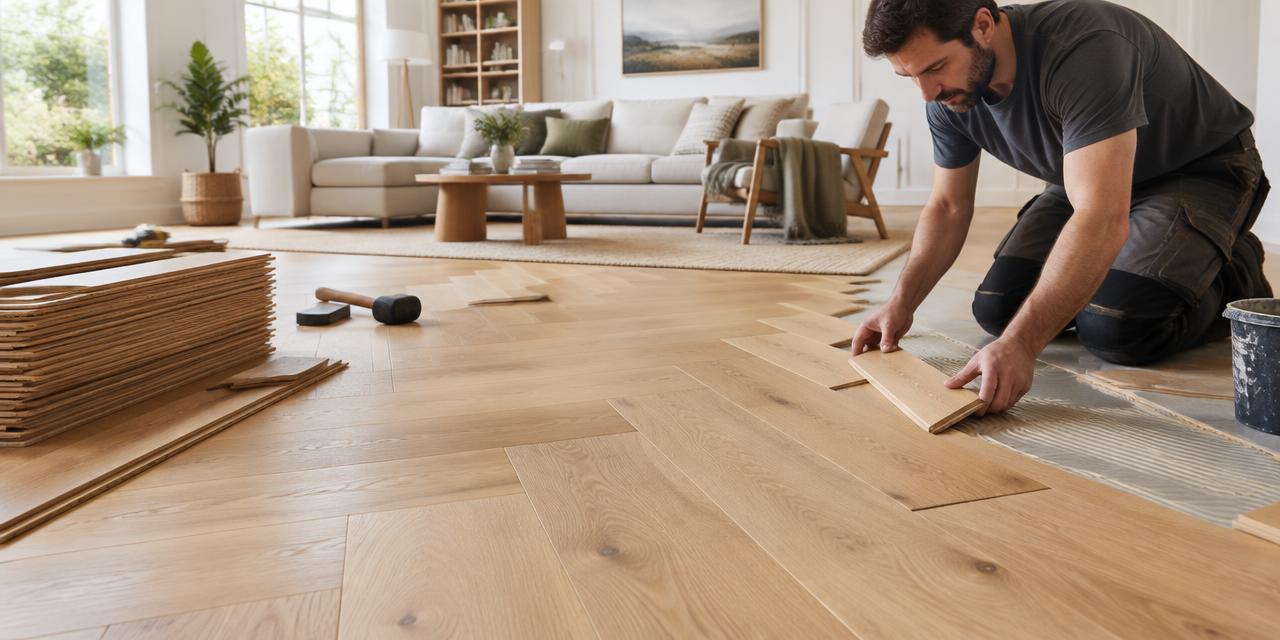
A floor renovation project in Neuchâtel follows a strict sequential logic. The first step consists of a diagnostic and substrate preparation phase, which is crucial to avoid unpleasant surprises.
Once the substrate is cleared and inspected, it is leveled if necessary. Then comes the installation phase of the new flooring, the duration of which depends on the surface area and the technical complexity of the chosen material.
The best time for this work is ideally outside of days with intense frost to ensure optimal drying conditions for glues and leveling products.
Although winter is not an insurmountable obstacle, managing humidity and interior temperature is more demanding during the cold months. By planning your project during the shoulder seasons, you ensure a more stable working environment.
Always anticipate a finishing phase, including baseboards and thresholds, for a professional and durable final result that complies with current building standards in the canton.
To ensure the success of your project, avoid neglecting the state of the substrate before choosing your final flooring. It is essential to check the flatness of the existing floor to prevent any future deformation.
Ensure that you have clarified sound insulation requirements with your neighbors or the condo association before confirming your order. Never choose a material without having verified its compatibility with potential underfloor heating.
Before requesting quotes, prepare a precise checklist : measure the exact surfaces, identify high-traffic areas, specify whether removal of the old floor is necessary, and mention any leveling constraints.
Compare companies based on comparable services and demand detailed quotes including substrate preparation. Check material availability to avoid unnecessary delays.
By following these steps, you secure your investment and avoid extra costs linked to poor site preparation or technical errors incompatible with the existing structure.
1. Estimate
Set a budget range with the estimator.
2. Grants
Apply before work starts.
3. Quotes
Compare at least 3 quotes.
4. Permit
Check with the municipality whether a permit is needed.
5. Works
Follow the site and do a written handover.
No specific grant listed for this work. Maintenance tax deductions may still apply.
2000 Neuchâtel · about 0 km
Neuchâtel-based company specializing in surface preparation and the application of waxed concrete, epoxy resin, and vinyl for floors, walls, and furniture.
ciresin-art.ch2000 Neuchâtel · about 0 km
Neuchâtel-based company specializing in painting, plastering, and complete interior and exterior renovations for residential and commercial projects.
les-couleurs-infinies.ch2000 Neuchâtel · about 0 km
Isol-Express SARL in Neuchâtel specializes in facade insulation, flooring installation, and terrace cleaning.
net-express2000.ch2000 Neuchâtel · about 0 km
Essima Etanchéité S.A., based in Neuchâtel, carries out roofing, roof covering, waterproofing, insulation, asphalting, joint sealing and floor covering work.
batir.chSuggestions from the commercial register by distance and activity. Not an endorsement or partnership.
No, changing floors is routine maintenance. Only structural changes require consultation with the municipality.
Choose a flooring with low thermal resistance. Always check the product data sheet before purchasing.
It is a rate used to calculate your local taxes relative to the base tax. It is set at 65 for 2026 in Neuchâtel.
Condo rules often impose strict acoustic standards to limit noise between floors. An underlay is essential.
The shoulder seasons are ideal to avoid constraints related to extreme cold. This facilitates material drying.
Yes, in buildings built before 1990. A diagnosis is recommended before touching old floors.
Aid must be requested before the start of the site. No aid is paid after the work is finished.
Source : Canton de Neuchâtel