
Enosis Sàrl
3213 Liebistorf · about 22.3 km
Enosis develops biomethanation technologies to convert CO2 and surplus electricity into storable and sustainable green gas.
enosis-energies.comHome solar battery · Muri bei Bern
At a glance
Small project
CHF 4'000 – CHF 9'300
Typical project
CHF 7'400 – CHF 15'700
Large project
CHF 12'700 – CHF 25'900
| Project | Quantity | Low | High | Per unit |
|---|---|---|---|---|
| Small project | 5 kWh | CHF 4'000 | CHF 9'300 | CHF 1'200 |
| Typical project | 10 kWh | CHF 7'400 | CHF 15'700 | CHF 1'100 |
| Large project | 18 kWh | CHF 12'700 | CHF 25'900 | CHF 1'000 |
Computed with our estimator for Muri bei Bern (regional factor included), standard finish. Only the project size changes.
Included
Not included
In Muri bei Bern, the federal building register lists 2'419 residential buildings and 6'663 dwellings. These municipal benchmarks help put your home in context, but do not replace an individual assessment.
73 % built before 1980
Construction year does not reveal past renovations: check the current insulation condition.
37 % · Heating oil
This distribution describes recorded buildings, not your system's consumption or efficiency.
| Energy | Heating | Hot water |
|---|---|---|
| Gas | 35 % | 33.8 % |
| Heating oil | 37 % | 36 % |
| District heating | 2 % | 2.2 % |
| Heat pump | 20 % | 13.6 % |
| Electricity | 4 % | 12.5 % |
| Wood | 2 % | 1 % |
Each line gives the share of buildings using that energy, separately for heating and for hot water. The two columns do not always reach 100%: some buildings combine two systems, or reported none.
A standard non-condensing boiler is usually older and less efficient.
6.8 % of buildings mix housing with shops or offices.
The official federal building register data for Muri bei Bern provides essential context for your renovation plans. The median building volume is 678.5 cubic meters, which serves as a key reference for scaling insulation and heating system upgrades. Please be aware that this volume data covers only 12 out of 1376 recorded houses, representing partial data coverage. As there are no specific figures available regarding heritage protection or renovation years for this municipality, we strongly advise you to contact the local municipal authorities directly. Early communication ensures you are fully informed about all permit requirements and potential restrictions before starting your project.
Source : OFS — RegBL (export communal complet). Existing residential buildings; percentages of recorded values.
A storage battery is worthwhile when your solar output clearly exceeds your daytime use. Without storage, this surplus is often fed back into the grid at a rate lower than the retail price.
With a battery, you retain this energy for evening needs, maximizing the efficiency of your panels. This setup promotes intelligent domestic energy management in Muri bei Bern.
Use the free RenoIndex estimator to assess the potential return on your investment and obtain a reliable CHF price range before starting your energy renovation work.
Correct sizing is the key to success. You should size capacity by evening consumption, not just by the power of your panels. An oversized battery might never fully charge, while an undersized one would limit your system's benefits.
Analyze your electricity bills to understand your hourly usage profile.
For personalized help with sizing and a cost estimate in CHF, the RenoIndex simulator is your best ally in Muri bei Bern to plan your energy transition accurately and avoid costly mistakes in your installation strategy.
Before buying, check compatibility with your existing inverter. Some systems require specific components or software updates to communicate effectively. Poor integration can lead to energy loss or system malfunctions.
In Muri bei Bern, hire qualified installers who can assess your current infrastructure.
Use RenoIndex to get an overview of costs and available options, ensuring you choose a technical solution that is coherent with your existing solar setup and future energy goals, helping you avoid compatibility issues during the installation phase.
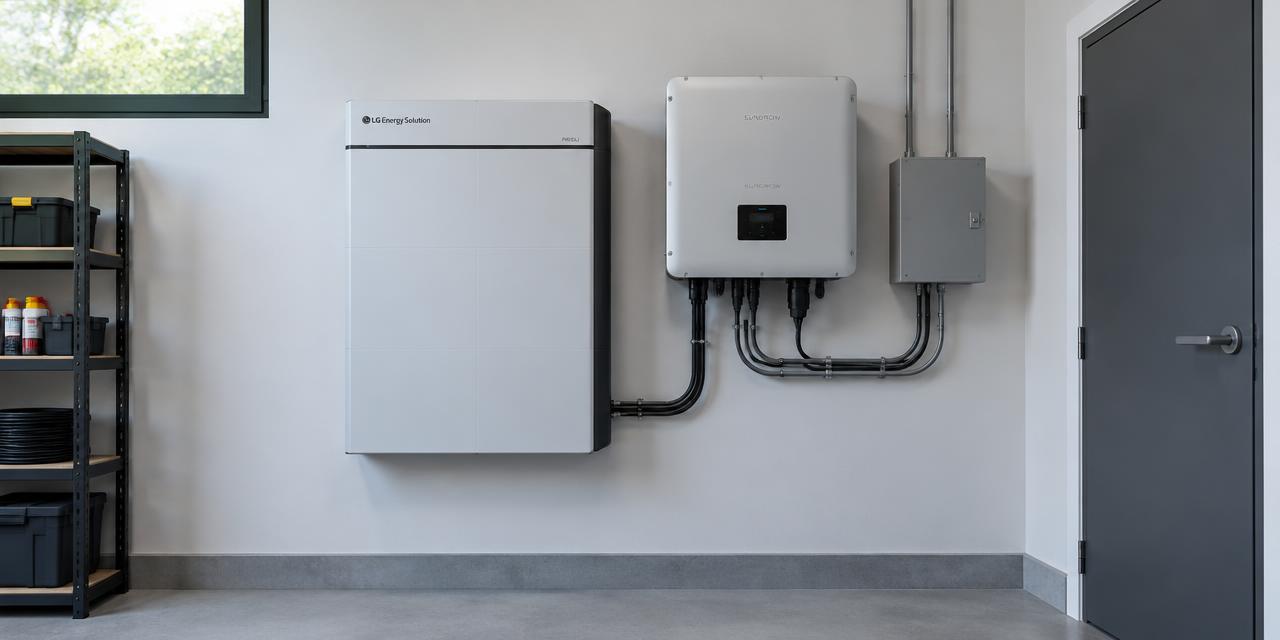
Preparing a solar storage project requires a methodical approach. Beyond the technical analysis, consider the space required for the battery, usually installed in a cellar or garage within a temperature-controlled environment.
Fire safety and ventilation are critical regulatory aspects to consider. In Muri bei Bern, ensure your installation complies with the standards applicable in the Canton of Bern.
RenoIndex assists you in this planning phase by providing a budget estimate in CHF, allowing you to better structure your project and request comparative quotes from local companies.
1. Estimate
Set a budget range with the estimator.
2. Grants
Apply before work starts.
3. Quotes
Compare at least 3 quotes.
4. Permit
Check with the municipality whether a permit is needed.
5. Works
Follow the site and do a written handover.
No specific grant listed for this work. Maintenance tax deductions may still apply.
3213 Liebistorf · about 22.3 km
Enosis develops biomethanation technologies to convert CO2 and surplus electricity into storable and sustainable green gas.
enosis-energies.com1700 Fribourg · about 28.1 km
Solesa SA specializes in electrical installations and renewable energy systems, including consulting and maintenance in Fribourg.
solesa.com.ar1700 Fribourg · about 28.1 km
Electrical engineering office in Fribourg specializing in inspection, compliance, electrical panels, and energy consulting.
lexel.ch1700 Fribourg · about 28.1 km
Fri Solar Sàrl, based in Fribourg, specializes in the installation of photovoltaic systems and battery storage for both residential and commercial clients.
frisolar.chSuggestions from the commercial register by distance and activity. Not an endorsement or partnership.
Most modern lithium batteries last between 10 and 20 years depending on usage and technology. Daily charging cycles can influence this longevity. Use RenoIndex to plan your long-term replacement budget in CHF.
Generally, indoor installation does not require a special permit, but you must comply with fire safety standards in force in the Canton of Bern. Always check with local authorities before starting work.
It depends on your inverter. Some models allow a backup function, but this requires a specific installation to isolate your home from the grid. Inquire about backup options when getting your RenoIndex estimate.
Use the RenoIndex simulator to get a CHF price range based on your needs. This generally includes the cost of equipment and labor, depending on the specifics of your installation in Muri bei Bern.