
E. Vauclair SA
2504 Biel/Bienne · about 9.2 km
Operating in Biel/Bienne since 1948, E. Vauclair SA provides plumbing, heating and solar installations, architectural sheet metalwork, roofing and flat roof renovation.
vauclair.chSolar water heating · Grenchen
At a glance
Small project
CHF 9'200 – CHF 21'500
Typical project
CHF 11'800 – CHF 27'400
Large project
CHF 16'200 – CHF 37'300
| Project | Quantity | Low | High | Per unit |
|---|---|---|---|---|
| Small project | 3 m² | CHF 9'200 | CHF 21'500 | CHF 5'000 |
| Typical project | 6 m² | CHF 11'800 | CHF 27'400 | CHF 3'200 |
| Large project | 11 m² | CHF 16'200 | CHF 37'300 | CHF 2'300 |
Computed with our estimator for Grenchen (regional factor included), standard finish. Only the project size changes.
Included
Not included
In Grenchen, the federal building register lists 3'013 residential buildings and 10'413 dwellings. These municipal benchmarks help put your home in context, but do not replace an individual assessment.
68 % built before 1980
Construction year does not reveal past renovations: check the current insulation condition.
52 % · Gas
This distribution describes recorded buildings, not your system's consumption or efficiency.
| Energy | Heating | Hot water |
|---|---|---|
| Gas | 52 % | 50.8 % |
| Heating oil | 29 % | 22.2 % |
| Heat pump | 15 % | 7.3 % |
| Electricity | 1 % | 17.1 % |
| Wood | 3 % | 1.5 % |
Each line gives the share of buildings using that energy, separately for heating and for hot water. The two columns do not always reach 100%: some buildings combine two systems, or reported none.
A standard non-condensing boiler is usually older and less efficient.
9.9 % of buildings mix housing with shops or offices.
For your renovation projects in Grenchen, the official RegBL figures provide essential insights despite partial data coverage. With 4 buildings listed under heritage protection, it is crucial to contact the municipality early to navigate permit requirements. The median building volume of 755 m3, derived from a limited set of 4 measurements, helps define the scale for your insulation or heating upgrade plans. Since renovation years are not recorded and volumetric data is sparse, conducting an on-site assessment remains a necessary step to ensure your renovation budget and planning are accurate and reflective of your specific property.
Source : OFS — RegBL (export communal complet). Existing residential buildings; percentages of recorded values.
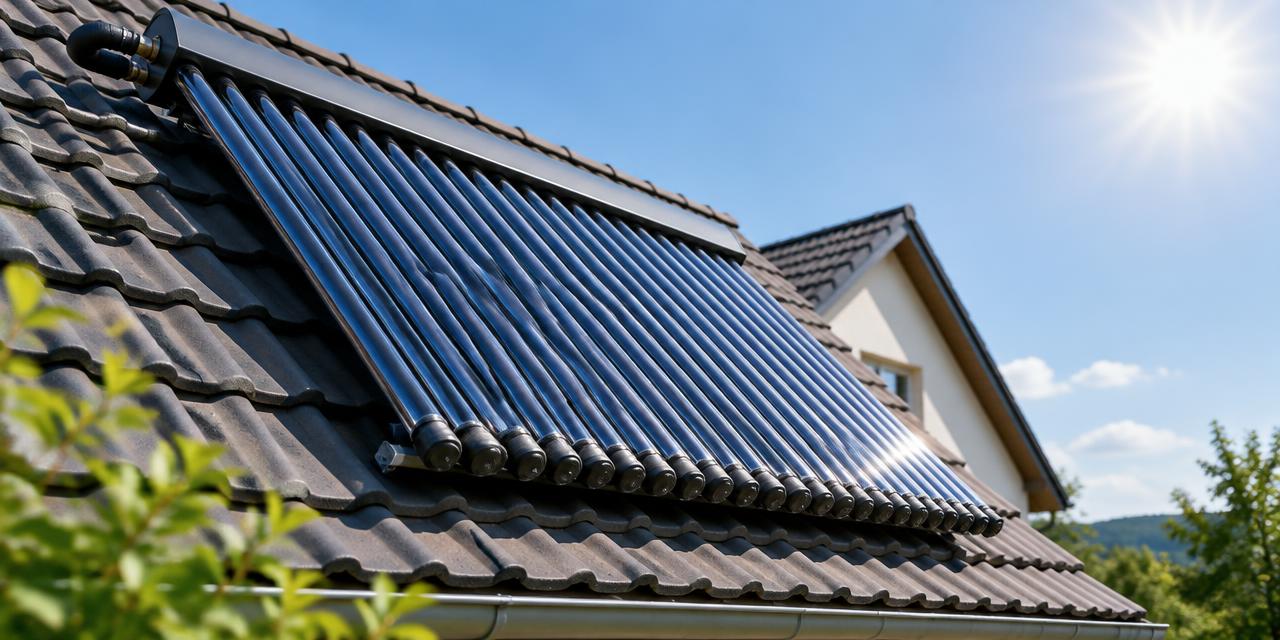
Solar thermal collectors usually cover much of summer hot water, making your main boiler unnecessary during sunny months. This solution saves fossil energy and limits wear on your standard heating system.
By harnessing direct radiation, you ensure a free energy source for much of the year. It is important to correctly size the collector area according to the number of occupants to maximize the solar coverage rate.
Rigorous planning guarantees optimal energy independence, especially during the high-sunshine days characteristic of our region, which provide an excellent basis for efficient system operation.
Combining collectors with a heat pump needs a sizing study to ensure compatibility between technologies. In an optimal setup, solar thermal preheats domestic water before it is adjusted by the heat pump. This synergy achieves high overall efficiency.
Such an installation requires technical expertise to avoid control conflicts between components.
By consulting RenoIndex, you will obtain price ranges for these combined systems, helping you visualize the investment required to modernize your hot water production while meeting current standards and maximizing energy efficiency over the long term.
It is advisable to regularly check available cantonal programs, as eligibility criteria and amounts may evolve. Before starting work, ensure your grant application is submitted according to current procedures.
In parallel, using RenoIndex allows you to compare the net cost after potential subsidies. Investing in solar thermal remains a strategic choice to increase property value while benefiting from targeted financial support for renewable energy.
The success of a solar thermal project relies on thorough planning, including analyzing your roof's sunlight exposure and the state of your insulation. A south-facing roof optimizes collector performance.
Collaborating with qualified professionals for installation and connection to the storage system is essential. Remember to consult RenoIndex for a total cost estimate, including labor and materials, to avoid budget surprises.
A correctly sized and installed system will ensure years of reliable service. Also, anticipate periodic maintenance needs to guarantee the longevity of your equipment and its maximum efficiency over time.
1. Estimate
Set a budget range with the estimator.
2. Grants
Apply before work starts.
3. Quotes
Compare at least 3 quotes.
4. Permit
Check with the municipality whether a permit is needed.
5. Works
Follow the site and do a written handover.
No specific grant listed for this work. Maintenance tax deductions may still apply.
2504 Biel/Bienne · about 9.2 km
Operating in Biel/Bienne since 1948, E. Vauclair SA provides plumbing, heating and solar installations, architectural sheet metalwork, roofing and flat roof renovation.
vauclair.ch2740 Moutier · about 9.2 km
Company in Moutier specializing in plumbing, heating (oil, wood, heat pumps), and solar thermal and photovoltaic solutions.
bmonnerat.ch2732 Reconvilier · about 13.4 km
Anotta SA in Reconvilier installs and renovates plumbing and heating systems, including heat pumps and solar thermal systems, with a seven-day-a-week breakdown service for its customers.
anotta.ch2832 Rebeuvelier · about 14 km
Eco6therm specializes in the installation of heating systems, particularly heat pumps, and solar photovoltaic energy solutions.
eco6therm.chSuggestions from the commercial register by distance and activity. Not an endorsement or partnership.
On average, a well-maintained solar thermal system operates efficiently for 20 to 25 years. The collectors themselves are very durable, while certain mechanical components, such as pumps or the heat transfer fluid, may require maintenance or replacement after about 10 to 15 years to ensure optimal performance.
In most cases, solar installations integrated into or mounted on roofs are subject to a simple prior notification procedure with municipal authorities. However, it is recommended to verify the specific situation of your building, especially if it is listed or located in a protected area, before starting work.
Yes, solar thermal collectors capture diffuse radiation even on cloudy days, although their efficiency is lower than on sunny days. Your main heating system will automatically step in to supplement hot water production if necessary, ensuring constant comfort throughout the year.
To get a quick and free estimate of the budget for your project in Grenchen, use the online tool RenoIndex. It allows you to simulate costs based on the size of your home and the type of installation desired, providing a clear basis for preparing your financing requests.