
Eco6therm Sàrl
2832 Rebeuvelier · about 168.3 km
Eco6therm specializes in the installation of heating systems, particularly heat pumps, and solar photovoltaic energy solutions.
eco6therm.chHome solar battery · Diepoldsau
At a glance
Small project
CHF 3'900 – CHF 8'900
Typical project
CHF 7'100 – CHF 15'100
Large project
CHF 12'200 – CHF 24'900
| Project | Quantity | Low | High | Per unit |
|---|---|---|---|---|
| Small project | 5 kWh | CHF 3'900 | CHF 8'900 | CHF 1'200 |
| Typical project | 10 kWh | CHF 7'100 | CHF 15'100 | CHF 1'000 |
| Large project | 18 kWh | CHF 12'200 | CHF 24'900 | CHF 1'000 |
Computed with our estimator for Diepoldsau (regional factor included), standard finish. Only the project size changes.
Included
Not included
In Diepoldsau, the federal building register lists 1'635 residential buildings and 2'950 dwellings. These municipal benchmarks help put your home in context, but do not replace an individual assessment.
48 % built before 1980
Construction year does not reveal past renovations: check the current insulation condition.
48 % · Heating oil
This distribution describes recorded buildings, not your system's consumption or efficiency.
| Energy | Heating | Hot water |
|---|---|---|
| Gas | 9 % | 6.7 % |
| Heating oil | 48 % | 31.3 % |
| District heating | 6 % | 5.1 % |
| Heat pump | 29 % | 26 % |
| Electricity | 2 % | 21.1 % |
| Wood | 6 % | 2 % |
| Solar thermal | 0 % | 7.5 % |
Each line gives the share of buildings using that energy, separately for heating and for hot water. The two columns do not always reach 100%: some buildings combine two systems, or reported none.
A standard non-condensing boiler is usually older and less efficient.
7.3 % of buildings mix housing with shops or offices.
When planning renovations in Diepoldsau, consulting the federal building registry data is a vital first step. Among 1635 recorded buildings, 15 are currently designated under heritage protection, necessitating early coordination with municipal authorities to secure required permits. Please note that data coverage remains partial; no information regarding renovation years is available, and building volumes according to SIA 416 standards were not measured for the 1315 residential units listed. Without these specific metrics on building scale, homeowners should prioritize professional on-site assessments to accurately evaluate the requirements for insulation or heating system upgrades within the municipality.
Source : OFS — RegBL (export communal complet). Existing residential buildings; percentages of recorded values.
A battery is worthwhile when solar output clearly exceeds your daytime use. By storing the surplus produced during sunny hours, you avoid feeding energy back into the grid at a low price.
You can then use your own electricity in the evening or during nighttime consumption peaks.
If your household is often empty during the day while your panels are actively producing, investing in a storage battery becomes an ideal solution for maximizing your independence from the public electrical grid.
Size capacity by evening consumption, not panel power. It is essential to analyze your actual consumption habits to avoid oversizing your equipment, which would unnecessarily increase your initial investment.
A properly sized battery covers your basic evening needs, such as lighting, refrigerator operation, and electronic devices. Take the time to check your annual statements to estimate your needs in kWh.
Our RenoIndex tool helps you better visualize the costs associated with different battery sizes available on the Swiss market for your home.
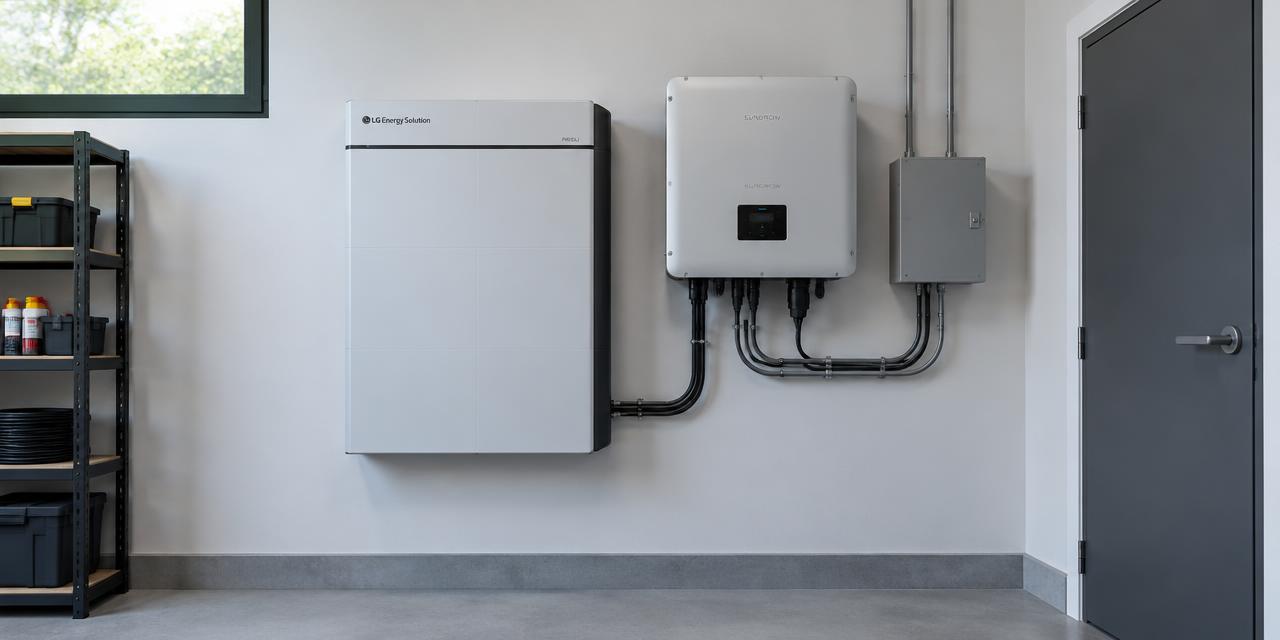
Check compatibility with your existing inverter before buying. Many modern systems allow for DC or AC coupling, but each installation is unique.
If your inverter is not designed to natively manage a battery, you may need to install a second inverter dedicated to storage. This technical step can significantly influence the final quote.
Do not hesitate to ask a certified professional to evaluate your current installation to ensure all components communicate correctly for efficient energy management.
Investing in a storage battery is a strategic decision that is part of the energy transition. Beyond immediate savings, it increases the value of your property in Diepoldsau.
Although no specific local grants are listed, it is advisable to regularly consult the cantonal incentive programs in the canton of St. Gallen, as they may evolve.
Use our RenoIndex estimator to get a clear budget overview, then contact local contractors for detailed quotes based on your real needs and your power grid's specifics.
1. Estimate
Set a budget range with the estimator.
2. Grants
Apply before work starts.
3. Quotes
Compare at least 3 quotes.
4. Permit
Check with the municipality whether a permit is needed.
5. Works
Follow the site and do a written handover.
No specific grant listed for this work. Maintenance tax deductions may still apply.
2832 Rebeuvelier · about 168.3 km
Eco6therm specializes in the installation of heating systems, particularly heat pumps, and solar photovoltaic energy solutions.
eco6therm.ch2735 Malleray · about 179.2 km
Company specialized in electrical installations and telecommunications systems, including network infrastructure and related trade.
telecrengglisa.ch3930 Visp · about 180.8 km
TZ Stromag offers comprehensive electrical engineering services for residential buildings, including installations, telematics services, and security.
stromag.ch3930 Visp · about 180.8 km
Steinlin und Partner AG is a Swiss company specializing in electrical installations, energy solutions such as photovoltaics, and IT services.
steinlin.chSuggestions from the commercial register by distance and activity. Not an endorsement or partnership.
Most modern solar batteries use lithium-ion technology, offering a lifespan of between 10 and 20 years depending on usage and environmental conditions. Regular charging cycles and installation in a temperature-controlled area help optimize this longevity.
Generally, adding a storage battery inside an existing building does not require a building permit. However, always check with the municipal authorities of Diepoldsau to confirm that no specific local rules apply to your particular situation.
It depends on the chosen model. Some batteries include a built-in backup function allowing them to power specific critical circuits during a power outage. Ensure you specify this particular need when selecting your equipment to benefit from this autonomy.
First, use the RenoIndex simulator to determine the estimated price range. Then, request quotes from several local certified companies to compare their services and the battery types offered. This ensures a professional installation that complies with current standards.