
Eco6therm Sàrl
2832 Rebeuvelier · about 26.5 km
Eco6therm specializes in the installation of heating systems, particularly heat pumps, and solar photovoltaic energy solutions.
eco6therm.chHome solar battery · Allschwil
At a glance
Small project
CHF 4'200 – CHF 9'500
Typical project
CHF 7'600 – CHF 16'100
Large project
CHF 13'000 – CHF 26'700
| Project | Quantity | Low | High | Per unit |
|---|---|---|---|---|
| Small project | 5 kWh | CHF 4'200 | CHF 9'500 | CHF 1'300 |
| Typical project | 10 kWh | CHF 7'600 | CHF 16'100 | CHF 1'100 |
| Large project | 18 kWh | CHF 13'000 | CHF 26'700 | CHF 1'000 |
Computed with our estimator for Allschwil (regional factor included), standard finish. Only the project size changes.
Included
Not included
In Allschwil, the federal building register lists 3'468 residential buildings and 11'497 dwellings. These municipal benchmarks help put your home in context, but do not replace an individual assessment.
67 % built before 1980
Construction year does not reveal past renovations: check the current insulation condition.
62 % · Gas
This distribution describes recorded buildings, not your system's consumption or efficiency.
| Energy | Heating | Hot water |
|---|---|---|
| Gas | 62 % | 56 % |
| Heating oil | 18 % | 11.2 % |
| District heating | 7 % | 7.1 % |
| Heat pump | 11 % | 10.1 % |
| Electricity | 1 % | 10.2 % |
| Wood | 1 % | 0.7 % |
| Solar thermal | 0 % | 4.5 % |
Each line gives the share of buildings using that energy, separately for heating and for hot water. The two columns do not always reach 100%: some buildings combine two systems, or reported none.
A standard non-condensing boiler is usually older and less efficient.
5.5 % of buildings mix housing with shops or offices.
For renovation projects in Allschwil, official RegBL figures provide essential guidance. With 961 out of 3468 buildings under heritage protection, it is vital to contact the municipality early regarding necessary permits. The median house volume is 755 m3, which serves as a benchmark for planning the scale of heating or insulation works. Please note that for house volume, only 32 buildings were measured according to the SIA 416 standard, meaning data coverage is only partial. These indicators offer a foundation for homeowners to effectively assess the scope of future property renovations within the municipality.
Source : OFS — RegBL (export communal complet). Existing residential buildings; percentages of recorded values.
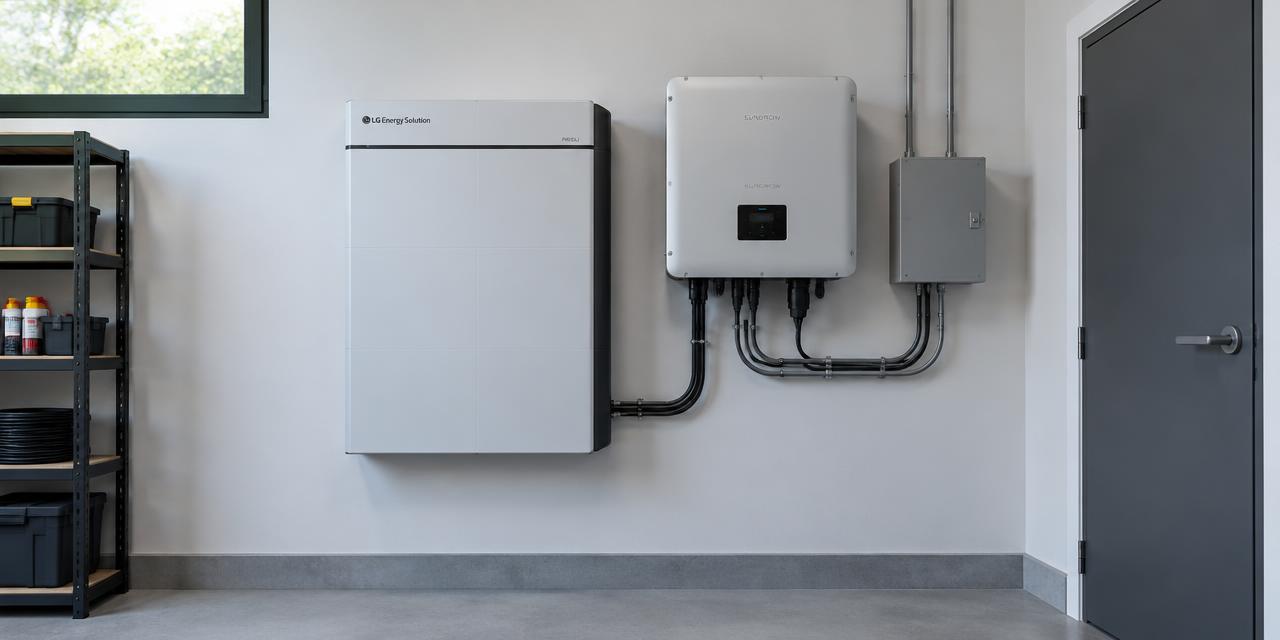
A battery is worthwhile when solar output clearly exceeds your daytime use. By storing the surplus produced during sunshine hours, you can power your home in the evening, when photovoltaic production is zero but demand is high.
This allows you to use more of your own green energy instead of feeding it into the grid at a tariff often lower than the purchase price. For a personalized budget assessment in Allschwil, the RenoIndex simulator provides a quick price range for your project.
The classic mistake is focusing only on the power of the solar panels. Instead, you should size capacity by evening consumption, not panel power. Analyze your daily energy habits to avoid unnecessary over-investment.
A battery that is too large will never be full, while insufficient capacity will not cover your essential nocturnal needs. Use the free RenoIndex calculator to get a cost estimate for Allschwil and refine your investment plan with complete transparency.
Before finalizing your project, check compatibility with your existing inverter before buying. Some systems require specific hybrid inverters to manage the bidirectional flow between panels, battery, and grid.
If your current installation is old, replacing the inverter may be required, which affects total costs.
To anticipate these technical expenses in Allschwil, consult our estimates via the RenoIndex website and get a price range to budget your energy transition with peace of mind.
In the canton of Basel-Landschaft, planning regulations apply to any facade or roof modifications. Ensure you comply with fire safety requirements during installation.
For a clear overview of the amounts to expect, use the free RenoIndex simulator to get a price range for your project in Allschwil.
1. Estimate
Set a budget range with the estimator.
2. Grants
Apply before work starts.
3. Quotes
Compare at least 3 quotes.
4. Permit
Check with the municipality whether a permit is needed.
5. Works
Follow the site and do a written handover.
No specific grant listed for this work. Maintenance tax deductions may still apply.
2832 Rebeuvelier · about 26.5 km
Eco6therm specializes in the installation of heating systems, particularly heat pumps, and solar photovoltaic energy solutions.
eco6therm.ch2735 Malleray · about 38.8 km
Company specialized in electrical installations and telecommunications systems, including network infrastructure and related trade.
telecrengglisa.ch2718 Lajoux JU · about 41.7 km
Jura-based specialist in photovoltaic panel installation and energy storage solutions with AI-driven optimization.
hypersolaire.ch2605 Sonceboz-Sombeval · about 47.9 km
Solar conseil Sàrl specializes in the installation of photovoltaic power plants, energy storage solutions, and energy efficiency consulting in the Jura and Bernese Jura regions.
solarconseil.chSuggestions from the commercial register by distance and activity. Not an endorsement or partnership.
Most modern lithium batteries have a lifespan of between 10 and 15 years. This life cycle depends on usage, ambient temperature, and hardware quality. Regular maintenance by a professional is highly recommended.
A battery increases your self-consumption rate, but total autonomy is difficult in winter in Switzerland without additional sources. It does, however, allow you to cover a large part of your nocturnal needs during most of the year.
The battery should be placed in a dry, ventilated area with stable temperatures, such as a cellar or utility room. Avoid areas exposed to extreme heat variations or excessive humidity to preserve performance.
No, modern storage batteries are virtually silent. Unlike some inverters that may emit a slight hum, the storage cells themselves have no moving parts, which ensures very discreet operation within your home.